







Search Results for: sweetness extraction
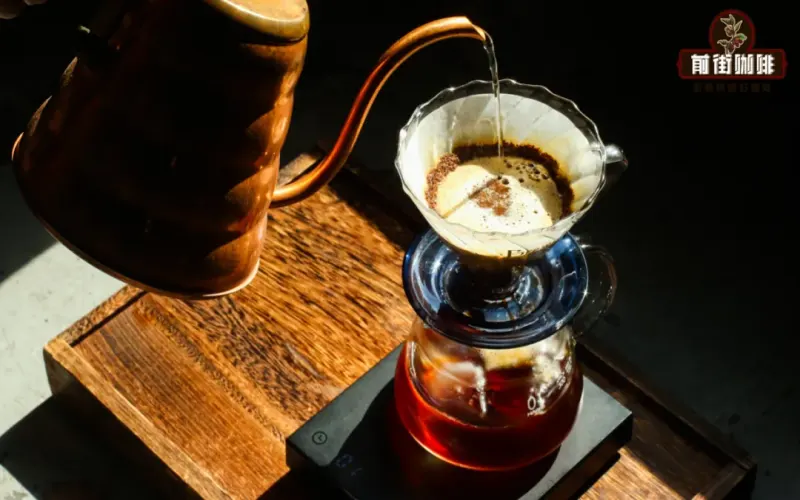
How to Bring Out Sweetness in Pour-Over Coffee? Analyzing Extraction Models and Adjustment Methods for Two Common Problems
The appeal of coffee's sweetness lies in its ability to trigger dopamine release, bringing a pleasurable sensation. But sweetness does not exist in isolation; it is a flavor that stands out after acidity and bitterness have been harmonized with each other. Starting from extraction models, this article explains the release patterns of sweet, sour, and bitter compounds at different stages, and points out that an ideal sweetness should pursue an extraction yield of 18% to 22%. It then addresses two common problems—over-extraction causing bitterness to suppress sweetness, and overly conservative brewing resulting in strong acidity and weak sweetness—and gives specific adjustment suggestions for water temperature, grind size, coffee-to-water ratio, and the number of pouring stages. The article also recommends several Front Street Coffee sweet-tasting bean lists at different roast levels for readers to refer to and choose from. [more…]
Analysis of Causes for Insufficient Sweetness in Pour-Over Coffee and Brewing Adjustment Ideas to Enhance Sweetness
Many people hope to bring out a more pronounced sweetness when brewing coffee, because sweetness often delivers a more enjoyable drinking experience. But the sweetness in coffee does not exist on its own—it is closely tied to the balance between acidity and bitterness, and is also significantly affected by the roast level and the extraction process. Starting from the logic behind how coffee sweetness forms, this article combines the sweetness characteristics at different stages—light, medium, and dark roast—to sort out the release rhythm of sweet, sour, and bitter compounds in pour-over coffee. It also addresses the two common scenarios of over-extraction and under-extraction, offering specific adjustment methods for water temperature, grind size, coffee-to-water ratio, and staged pouring, to help you more effectively enhance the sweetness of your coffee in everyday brewing. [more…]

Pour-Over Coffee Sweetness Enhancement Guide: The "High, Fine, Large, Fast" Four-Word Formula and the High-Concentration, Low-Extraction Approach for Dark Roasts
Most of the sugars in coffee beans have already been transformed and degraded during roasting, and the remaining sweet-tasting molecules are easily masked by flavors such as acidity and bitterness. In this article, Front Street will break down the underlying principles of high-sweetness extraction and explain in detail the four-character brewing formula of "fine, high, large, fast"—grinding finer, raising the water temperature, increasing the flow rate, and speeding up extraction—using medium-light roasted beans as the experimental subject, demonstrating step by step the specific parameters and techniques for each stage; for medium-dark roasted beans, which are loose in texture and cannot withstand aggressive extraction, the "high concentration, low extraction" approach is recommended, paired with a Kono dripper and a simple one-pour technique, which can likewise brew a cup of coffee with full sweetness and restrained bitterness. At the end, the article also introduces diverse extraction methods such as variable-temperature brewing, for enthusiasts to try freely. [more…]
How can pour-over coffee highlight sweetness? A detailed explanation of the high-strength, low-extraction approach and practical parameter settings.
For many people, the most important thing about drinking coffee is that sweetness, but bitterness always easily barges in and ruins the party. In fact, coffee flavors are released in a sequence—sweetness and acidity come first, bitterness and off-flavors later. As long as you stop before bitterness dissolves out in large amounts, you can get a cup dominated by sweetness. This is the "high concentration, low extraction" approach we're discussing today: push the concentration higher while keeping the extraction yield at a suitably low level, so sweetness stands out and bitterness is suppressed. Below, we'll start with the Golden Cup extraction standard, explain what high concentration, low extraction is, its origins in Japanese dark roast brewing, and provide a directly usable pour-over recipe for light roasts. [more…]
How to bring out sweetness in espresso? Five highly sweet espresso bean recommendations and key extraction operation points
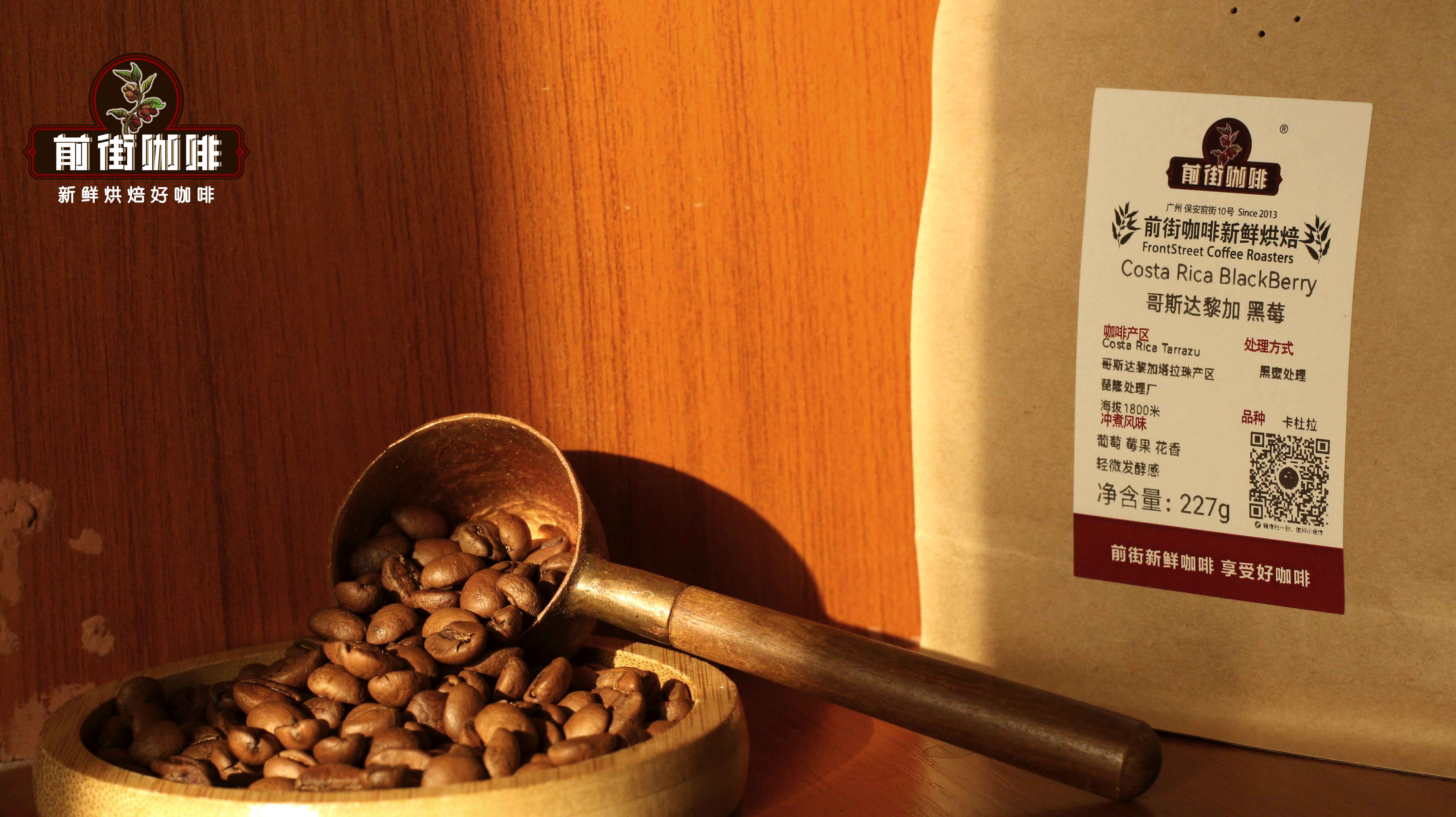
Many people's impression of espresso is that it is only strong and bitter, but with the right beans and properly controlled extraction parameters, sweetness can be clearly present in an Espresso. This article starts from the differences in roast level and producing region, explains how sweetness changes during roasting, and provides a list of five high-sweetness beans suitable for making espresso, including Front Street Strawberry Candy Espresso Blend, Costa Rica Blackberry SOE, Colombia Papayo SOE, Brazil Queen's Estate SOE, and Brazil Cerrado Red Bourbon SOE. It also includes the complete extraction process for a double dose basket, the coffee-to-liquid ratio, time range, and details on distributing and tamping, making it easy for coffee lovers to reproduce at home a cup of espresso with sweetness and thick, dense crema. [more…]
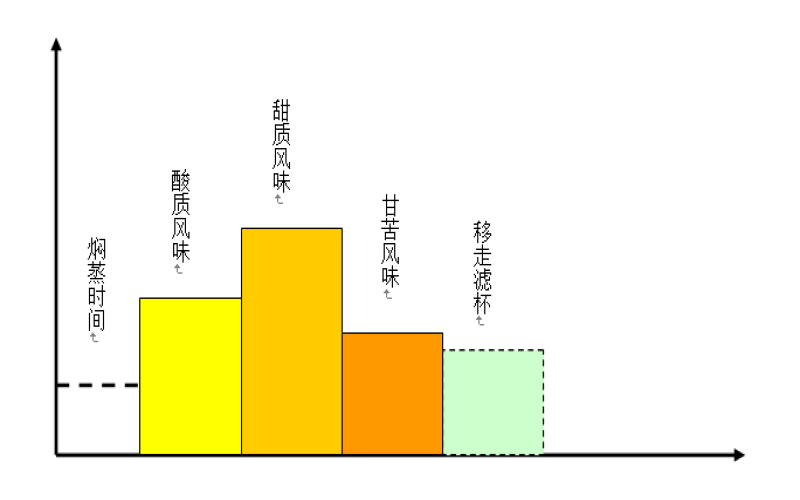
Segmented Extraction and Sweetness Release in Pour-Over Coffee: Flavor Changes Across the Beginning, Middle, and End Stages, and a Four-Pour Comparative Practice
In pour-over coffee, staged pouring is a common technique for regulating flavor. The three tastes in coffee—acidity, sweetness, and bitterness—are not released at the same rate; hot water draws them out in sequence. This article uses Front Street Coffee's medium-roast Papua Bird of Paradise coffee beans as an example. With 15g of grounds, 225ml of total water, and a water temperature of 89°C, it employs three-stage and four-stage pouring respectively to compare the flavor differences in the early, middle, and late coffee liquid, helping you find the extraction stage where sweetness is most concentrated. It also explains how the number of stages affects extraction yield, operating time, and the risk of over-extraction, and offers practical ideas for improving the efficiency of sweetness extraction. [more…]
The Impact of Extraction Time on Pour-Over and Espresso Flavor and the Release Patterns of Sourness, Sweetness, and Bitterness
Why is coffee extraction time so critical? It all comes down to the soluble flavor compounds that make up just 30% of a coffee bean. These compounds fall into three categories—acids, sugars, and bitter substances—each with a different dissolution rate and peaking at different times. If extraction is too short, the coffee tastes thin and sharply acidic, lacking the support of sweetness and bitterness; if it goes on too long, bitterness overwhelms everything else. Therefore, ending extraction after sweetness has been released in abundance but before bitterness floods in is the key to a balanced cup. For pour-over coffee, using 15 grams of beans as an example, the time is typically kept between 1 minute 50 seconds and 2 minutes 25 seconds. Additionally, acidity, sweetness, and bitterness are not released sequentially but simultaneously—only their peak moments differ. This is a common misconception. [more…]
Dark Roast Pour-Over Coffee Complete Guide: High Concentration, Low Extraction Techniques to Enhance Rich Sweetness and Sweet Aftertaste
The charm of dark roast coffee lies in its rich aroma, smooth and full-bodied taste, and long-lasting sweet aftertaste, but avoiding over-extraction while preserving these qualities is no easy task. Drawing on Front Street's practical experience, this article explains how to suppress bitterness and enhance sweetness by adjusting filter materials, controlling extraction parameters, and applying a "high concentration, low extraction" strategy. It shares in detail a brewing example using Golden Mandheling beans and non-woven filter paper, including key parameters such as the coffee-to-water ratio, water temperature, and grind size, as well as the specific steps for three-stage pouring. By following along, you too can brew a cup of dark roast coffee with a captivating aroma and a pronounced sweetness at home. [more…]
How to Make Espresso? The Complete Guide to Choosing Espresso Blend Beans with Prominent Sweetness
Espresso is not only bitter; the right bean selection and extraction can also deliver a captivating sweetness. Starting from roast level and regional characteristics, this article analyzes how sweetness develops in coffee and recommends five high-sweetness espresso beans, covering both blends and SOE. It then explains the steps for making espresso in detail, including dose, extraction ratio, time control, and operational details, helping you consistently replicate at home an espresso with pronounced sweetness and a velvety mouthfeel. [more…]
How to Unlock Sweetness in Light-Medium Roasted Coffee? Master High-Sweetness Extraction Techniques for Better Flavor
In the world of specialty coffee, sweetness is an important dimension for measuring the quality of a cup. If black coffee can present both aroma and sweetness at the same time, it means that everything from bean selection to extraction has reached an ideal state. However, most people's first impression of coffee is bitterness, and it is only when they taste sweetness like fruit or caramel that they are pleasantly surprised to discover that this "black drink" can also be so sweet. Starting from the stages in which coffee sweetness is released, this article will provide practical adjustment plans for brewing sweetness in two types of coffee—fruit-forward medium-light roasts and nutty medium-dark roasts—including optimization ideas for key parameters such as water temperature, staged pouring, and coffee-to-water ratio, to help coffee lovers brew a good cup with full sweetness and a lasting finish. [more…]
Iced Pour-Over Coffee Sweetness Extraction Techniques: Grind and Pour Adjustments Using Strawberry Candy Coffee Beans as an Example
Ice pour-over coffee often faces issues of under-extraction and weak sweetness due to a reduced coffee-to-water ratio and dilution from added ice. Starting from the principles of extraction, this article analyzes how to capture more sweet compounds in ice pour-over by adjusting grind size, the number of pouring stages, and the coffee-to-water ratio. Using Front Street Coffee's Costa Rica Strawberry Candy coffee beans as a demonstration, Front Street tested techniques such as finer grinding, increasing the number of pouring stages, and cooling over ice, ultimately achieving an iced coffee with a full-bodied flavor and clear dried-fruit sweetness. The article also explores the impact of flow rate on extraction and emphasizes that brewing recipes are not universal formulas, encouraging coffee enthusiasts to try diverse approaches. [more…]

Why Does Pour-Over Coffee Taste Sharply Sour? Analyzing Under-Extraction and How to Balance Sourness, Sweetness, and Bitterness
Many coffee enthusiasts enjoy a well-balanced pour-over in cafés, with its harmonious blend of acidity and sweetness, yet when they brew at home, they often end up with a sharp, jarring sourness that leaves them puzzled. In reality, the flavor of coffee depends on the proportions of three types of substances: acids, sugars, and bitters. Sharp sourness is often a sign of imbalance—it’s not necessarily that there are too many acidic compounds, but rather that not enough sweet and bitter substances have been extracted. Front Street Coffee will take a deep dive into the principles behind sharp sourness and, from three angles—lowering the coffee-to-water ratio, extending the extraction time, and raising the water temperature—provide concrete, actionable adjustments to help you brew a smooth, mellow pour-over at home. [more…]
Espresso Single-Origin Beans | Is Espresso Bitter? Recommended High-Sweetness Espresso Beans for Americano and Latte
Many people think that the taste of espresso is only bitter, but in fact, as long as you choose the right coffee beans and control the extraction well, we can drink espresso with a sweet taste. Choosing a high-sweetness espresso bean: from the moment a coffee bean starts to be heated as a green bean until the end of roasting, sweetness is the first flavor to develop, and only afterward [more…]
Where Does the Sweetness of Black Coffee Come From? An Analysis of Roast Types and Pour-Over Extraction Techniques That Affect Sweetness
Many people believe that black coffee is only bitter and sour, but a good cup of coffee can indeed deliver a surprisingly sweet sensation. This sweetness does not come from sugar detected by taste, but from sweet aromas perceived through the sense of smell. Sucrose in green coffee beans is converted into substances such as caramel during roasting, and different roast levels present completely different types of sweetness. Front Street divides sweetness by roast level into the honey-fruit type, the chocolate-dried-fruit type, and the dark-roast sweet-aftertaste type, and recommends corresponding coffee beans for each. In addition, by adjusting the pouring technique and extraction rhythm of pour-over brewing, the sweetness of coffee can also be effectively enhanced. This article will systematically analyze the sources of coffee sweetness, the differences in sweetness across roast levels, and the brewing techniques that Front Street has summarized in practice. [more…]
Pour-over light roast coffee too sour and hard to drink? Adjust grind, time, and water temperature to brew a sweet, balanced cup.
After specialty coffee became popular, light roasting gradually became the mainstream, and coffee's flavor shifted from a single note of bitterness to a layered richness of acidity. However, many people brewing at home always feel that the same beans taste noticeably different from what they get in a café—in the café, the sweetness and acidity are balanced, while what they brew themselves is sharp and astringent, like biting directly into a lemon. This gap usually stems from two aspects: first, the beans themselves have relatively high acidity; second, insufficient extraction prevents sweetness and bitterness from being released in time. This article will start with three key variables—grind size, extraction time, and brewing water temperature—to explain how to bring the sweet-to-sour ratio of light-roasted coffee back into balance, and will include a complete brewing demonstration of Front Street Yirgacheffe·Gededing for reference. [more…]
Exploring the Origins and Characteristics of Latte: How Different Espresso Ratios Affect the Flavor of Milk Coffee and Americano
Latte, Americano, and espresso share the same roots, yet they present entirely different flavor expressions due to different espresso extraction ratios. Front Street Coffee used the same specialty blend beans, the same grind size and dose, to test the specific effects of three brew ratios—1:1, 1:1.5, and 1:2—on espresso, latte, and Americano. The results showed that espresso at a 1:1 ratio was on the sour side but had a prominent sweetness after adding milk, 1:1.5 had the richest layering and a balanced latte, while 1:2 tended to over-extract and develop woody and smoky notes. The article also explained espresso's reliance on blend beans and recommended Front Street's classic espresso blend. [more…]
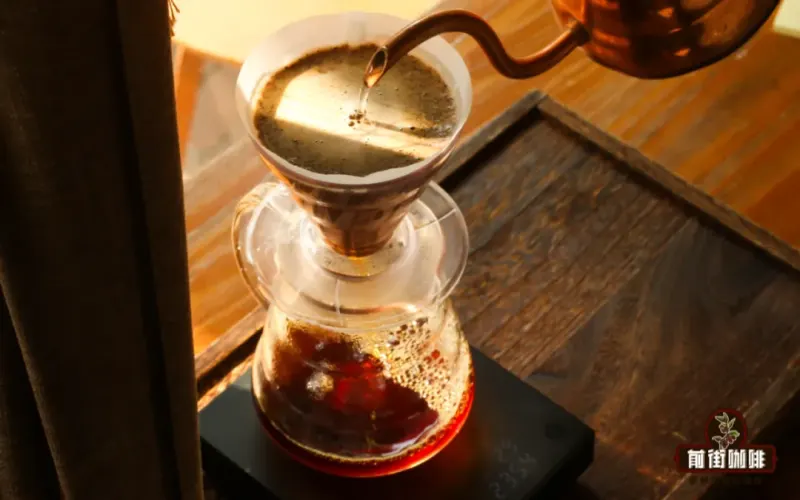
High-Speed Fine-Grind Large-Flow Brewing Method Explained: How to Boost Sweetness in Pour-Over Coffee and Recommendations for High-Value Arabica Beans
Many people prefer sweetness, and this has given rise to various pour-over brewing methods aimed at sweetness. One of these is the "high-fast-fine-large" method that Front Street Coffee is sharing today. Through a combination of four extreme parameters—high water temperature, fast extraction, fine grind, and large water flow—brewing is completed in a short time, thereby reducing the extraction of bitterness and highlighting the coffee's sweet aroma and sweet-tart balance. This method is especially suitable for medium-light or light-roasted Arabica beans, such as the cost-effective Front Street Coffee Huakui and Front Street Coffee Strawberry Candy. This article will break down the principles and operation of this approach in detail, and include the specific brewing parameters and flavor performance of Front Street Coffee Huakui to help you more easily brew pour-over coffee with a pronounced sweetness. [more…]
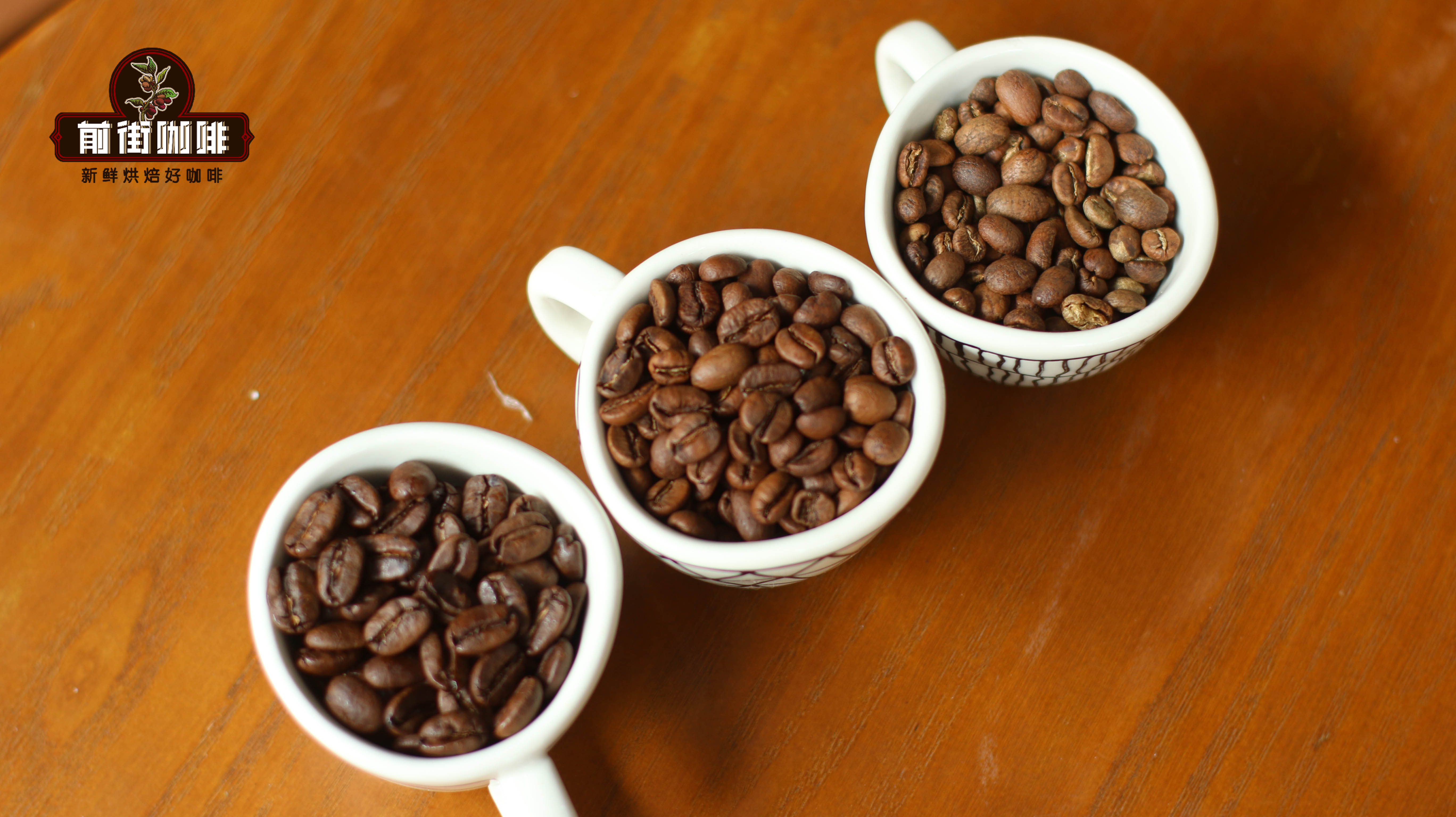
How to drink and brew dark roast coffee grounds and coffee beans? A detailed explanation of the high-concentration, low-extraction method and parameters that bring out a prominent sweet aftertaste
Deeply roasted coffee beans, due to sufficient caramelization, often present a richer mellow sweetness and caramel aroma. However, if brewed improperly, bitterness can easily overpower the sweet aftertaste. This article begins with the flavor characteristics of dark-roasted coffee and introduces how to better present the sweetness and sweet aftertaste of dark-roasted coffee through bean selection and brewing methods. It focuses on a Japanese-style high-concentration, low-extraction approach commonly used by Front Street Coffee, and provides specific brewing parameters and staged pouring steps for using Front Street Coffee Jamaica Blue Mountain No. 1 coffee, including coffee dose, coffee-to-water ratio, water temperature, grind size, dripper, and time, helping coffee enthusiasts brew a cup of dark-roasted coffee at home with moderate concentration and a pronounced sweet aftertaste. [more…]
Latte Coffee Making Tutorial: A Practical Test of How Espresso Coffee-to-Water Ratio Affects the Flavor of Milk Coffee and Americano
The key to a delicious latte lies in the ratio of espresso to milk. Front Street Coffee tested espresso brews at three powder-to-water ratios—1:1, 1:1.5, and 1:2—using the same specialty blend beans, identical grind size, and dose, then prepared espresso, latte, and americano respectively to compare flavor differences. The experiment found that the 1:1 ratio espresso was somewhat sour but had prominent sweetness when milk was added, suitable for a mellow taste; 1:1.5 offered rich layers and a balanced milk-coffee flavor; while 1:2 easily produced over-extracted woody and smoky notes. At the end of the article, two Front Street Coffee beans suitable for making espresso are recommended for enthusiasts to consider purchasing. [more…]

Is the instability of pour-over coffee flavor just mysticism? Analyzing the extraction science of grind, water temperature, time, and ratio
Many coffee enthusiasts have experienced this confusion: why does the same bean taste different every time it's brewed? Occasionally a stunning cup of coffee is brewed, but it's hard to reproduce afterwards, so some people attribute coffee extraction to "metaphysics." But in fact, extraction is a quantifiable, reproducible scientific process. Water acts as a solvent, dissolving the flavor substances from the coffee grounds, while parameters such as grind size, water temperature, time, and coffee-to-water ratio all directly affect extraction efficiency, and thereby determine the final flavor in the cup. Taking Ethiopia Huakui as an example, Front Street uses 15g of grounds, a 1:15 coffee-to-water ratio, caster sugar grind size, and a two-minute three-pour brewing method to consistently obtain a coffee with balanced acidity and sweetness, carrying citrus, strawberry, and creamy floral aromas. This article will systematically explain how to achieve flavor stability and targeted adjustments by recording and controlling parameters, and explain the scientific logic behind the differences in dissolution rates of sourness, sweetness, bitterness, and saltiness. [more…]